
WhatsApp Chatbot for Customer Service: Revolutionizing Support
 Rojo Rizelle
Customer service is changing fast. Your business needs to follow new technology and customer habits. This guide shows you how to create a WhatsApp chatbot for customer service.
The New Age of Customer Interaction
Customer support has changed a lot. Businesses now talk to customers in new ways. Technology is a big reason for this change.
The Evolution of Customer Service
Traditional customer service had many problems. Customers waited a long time on the phone. Email answers were often slow. This made people frustrated and unhappy. Today, people like using messaging apps. They want the same easy experience from businesses. This has created new and better ways to give support.
What is a WhatsApp Chatbot?
A chatbot is a program that talks like a human. It can chat with users through text messages. In customer service, chatbots answer questions. They also solve problems on their own. WhatsApp is a top platform for this. It is the most popular messaging app in the world. This makes it a great place to meet your customers.
Why WhatsApp for Customer Service?
WhatsApp has a huge global reach. It has over two billion users. This means your customers probably use it every day. Talking on WhatsApp feels direct and personal. It is not like a formal email or phone call. This personal touch helps you build stronger bonds with your customers.
What This Guide Will Cover
This guide is your roadmap. We will show you how to use a WhatsApp chatbot. You will learn to understand, build, and improve it. We will cover the benefits, features, and best tips. This guide has everything you need to start.
The Power of a Great WhatsApp Chatbot
A WhatsApp chatbot has big benefits for your business. It makes work faster and customers happier. Here is how it helps.
Instant and 24/7 Availability
Customers want answers right away. A chatbot gives instant answers at any time. It works even after your business hours. This 24/7 help makes customers much happier. People do not have to wait for a human agent. Shorter wait times lead to happy customers.
Scalability and Efficiency
Your business can handle many questions at once. A chatbot does not get busy like a human agent. It can talk to thousands of customers at the same time. This frees up your human agents. They can focus on harder problems. Kingsport is a company with many customers. They need this feature to give good service.
Personalized and Contextual Interactions
Chatbots can use customer data to give special answers. They can greet a customer by name. They can also see their order history. This makes the experience more personal. The chatbot also remembers the chat history. If a customer comes back, the bot knows what they talked about before. This makes the chat much smoother.
A Smart Way to Reduce Costs
A chatbot helps lower the costs of your support center. You need fewer agents for common questions. This lets you use your team in a better way. Your team can focus on important tasks. They do not have to answer the same questions. This smart use of your team leads to big savings.
Lead Generation and Sales Support
A chatbot is also a great tool for sales. It can show new customers your products. It can answer their questions. It helps them decide to buy. The chatbot can also find good leads. It gets information from a user. Then it passes them to a salesperson. This helps your sales team talk to the best potential customers.
What Your WhatsApp Chatbot Can Do
A modern WhatsApp chatbot can do many things. These features help you automate work. You can serve customers better in any industry.
Automated FAQs and Information
Your chatbot can answer common questions instantly. You can make a list of frequent questions. The chatbot uses this list to give fast and correct answers. This is one of the most basic and useful features. For example, the brand Ilaby can use a chatbot. It can answer questions about product ingredients.
Order Management and Tracking
Customers often want to know their order status. A chatbot lets them check it easily. They can send a message to track their package. The chatbot can also help change or cancel orders. This self-service is easy for customers. It also makes less work for your team.
Appointment Scheduling and Reminders
Businesses with appointments get a lot of help. A chatbot can book and manage appointments easily. It shows open time slots. It confirms bookings in the chat. The system also sends automatic reminders. This simple feature helps reduce no-shows. Clinics like USAC can use this to manage patient appointments well.
Customer Feedback and Surveys
You can get real-time feedback with a chatbot. After a chat, the bot can ask for a short survey. This helps you know how happy customers are. This quick feedback is very helpful. It lets you find ways to get better fast.
Multilingual Support
A chatbot can speak in many languages. Botcake AI, for example, can answer in more than 50 languages. This is very important for a diverse customer base. You can help customers from different parts of the world. Language support helps you reach more people worldwide. It makes sure language does not stop good service.
Seamless Human Handoff
Sometimes a chatbot cannot solve a problem. It needs an easy handoff to a live agent. The chatbot should know when it needs help. It then sends the chat to a human. The agent gets the full chat history. This means the customer does not have to repeat anything.
How to Build Your WhatsApp Chatbot
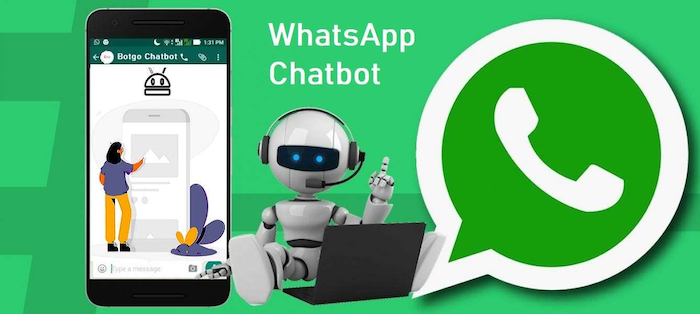
Making a WhatsApp chatbot follows a clear process. You need a plan for your chatbot. This plan makes sure it helps your business and customers.
Define Your Objectives
First, find your biggest customer service problems. What are the most common issues they face? Where are the biggest delays in your support? Once you know the problems, set clear goals. For instance, your goal could be to cut response times in half.
Choose the Right Platform
You need to choose a chatbot platform. There are many options available. Look at the features and pricing. See how it connects to other tools. You want a platform that is easy to use. It should also grow with your business. A good provider offers strong tools and good help.
Design the Conversation Flow
Next, you need to plan the customer's steps. Think about the different paths a customer might take. Create a guide for the conversation. The answers should be interesting and use normal words. The goal is to make the chat feel human. This is where you create the chatbot's personality.
Train and Optimize the Chatbot
Your chatbot needs the right information. You should give it your common questions and product details. After you launch it, always check how it is doing. Look at the chats. See where it does well and where it fails. Always making it better is key to its success. Sinh Duoc Corp sells natural products. They can train their chatbot on product details. This helps build customer trust.
Integration with Existing Systems
Your chatbot should connect with your other business tools. It needs to connect with your CRM or e-commerce platform. This connection keeps all data the same across your work. For example, a chatbot can update a customer's contact info. It should sync that update with your CRM.
Best Practices for Chatbot Success
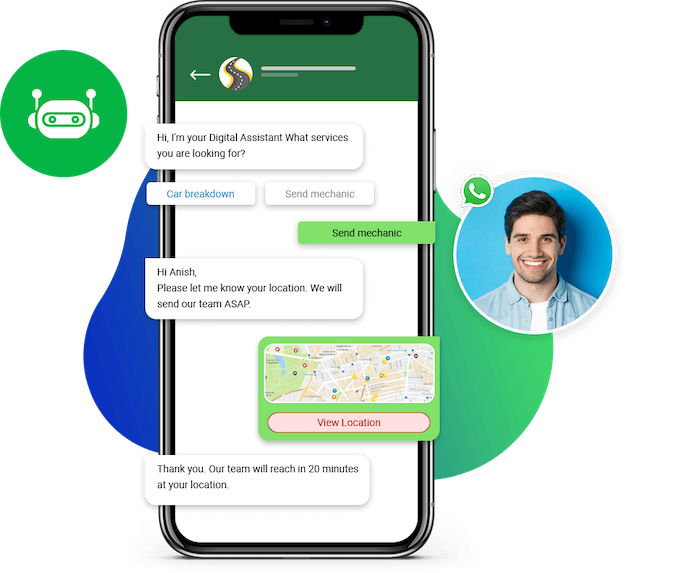
You can make your chatbot more effective. Just follow some best practices. These tips give customers a good experience. They also bring better results for your business.
Clear Communication and Expectations
You should always tell users they are talking to a chatbot. This honesty builds trust. It is also important to explain what the chatbot can do. Let users know its limits. This manages their expectations. It also prevents them from getting upset.
A Human-Centric Design
Design chats that feel natural and helpful. Do not use language that is robotic or complex. The chatbot should be caring and friendly. Think of it as part of your brand's personality. Focusing on the person makes the chat more pleasant. Little Garden is a florist. Their chatbot could use a warm, friendly tone. This helps customers choose the right flowers.
Regular Performance Monitoring
You must check important numbers. This helps you see how well your chatbot is doing. Look at how many problems it solves. Check its response time and customer satisfaction scores. This data gives you helpful information. You can use it to find ways to be better. Regular checks help you improve your chatbot.
Continuous Iteration and Improvement
A chatbot is never really finished. You should regularly update its information. Customer needs and your business will change. Your chatbot must change with them. Always improving it ensures it stays a helpful tool.
Data Privacy and Security
You must follow data privacy rules like GDPR. Be open and honest
You must follow data protection regulations like GDPR very important. Customers need to feel their data is secure.
Real-World Examples of Chatbot Use
WhatsApp chatbots are used in many industries. They help businesses solve problems. They also improve customer service.
E-commerce: Better Order Support
Online stores use chatbots for many customer service jobs. They can answer product questions, handle returns, and give shipping updates. This helps online stores answer many questions. It can process useful returns during busy shopping times. updates. This automation allows e-commerce businesses to handle a high volume of inquiries, especially during peak shopping seasons.
Healthcare: Easier Appointment Booking
Clinics and hospitals leverage chatbots to support their patients. A chatbot can help patients book appointments, get information about services, and receive reminders. This streamlines administrative tasks and improves the patient experience. It frees up staff to focus on providing care.
Banking and Finance: Quick Account Inquiries
Financial institutions use chatbots for basic banking services. Customers can check their account balances, review recent transactions, and get answers to common questions. This provides a convenient and secure way for customers to manage their finances without visiting a branch or calling a support center. ZaloPay uses these principles to enhance its user experience.
Travel and Hospitality: Simple Booking and FAQs
Airlines, restaurants, and hotels use chatbots to assist travelers. A chatbot can help users book flights, reserve rooms, and answer frequently asked questions about amenities or policies. This instant support is valuable for travelers who need information on the go.
The Future of Customer Service
The role of WhatsApp chatbots in customer service will continue to grow. Advances in technology will make them even more intelligent and capable.
Advancements in AI and NLP
Artificial intelligence and natural language processing are constantly improving. Machine learning will make chatbots smarter. They will understand user intent more accurately and provide more nuanced responses. Future chatbots will be able to handle more complex conversations.
Hyper-Personalization and Proactive Support
In the future, chatbots will offer hyper-personalized experiences. They will use data to anticipate customer needs before the customer even asks. They can offer proactive solutions and recommendations. This deeper integration with customer profiles will create a new level of service. For influencers and personal brands like Le Van Anh, this can create highly tailored client interactions.
The Blended Approach: Human and AI
The future is not about replacing humans with AI. It is about collaboration. The synergy between chatbots and human agents will become even more important. Chatbots will handle routine tasks. Humans will manage high-stakes interactions. This blended approach will optimize the customer journey and ensure a seamless experience.
Conclusion
WhatsApp chatbots are a transformative tool for customer service. They help you provide instant, efficient, and personalized support to your customers. This technology reduces costs and frees up your team to focus on what matters most.
If you want to revolutionize your customer service, it is time to explore a chatbot solution. A platform like Botcake can provide you with the tools and expertise you need to build and deploy an effective WhatsApp chatbot. Embrace the future of customer service and start building stronger relationships with your customers today.
Related blogs

LINE Chatbot: Guide to Business Automation in Asia 2026

How AI Changes Customer Experience: A Complete Guide
WhatsApp Flows: Revolutionizing Conversational Experiences on the World's Favorite Messaging App

Discover how your business can connect with customers 24/7 with Botcake
- Automate your customer messaging flow
- React thousands with bulk marketing message campaigns
- Blend AI power seamlessly with your customer service