
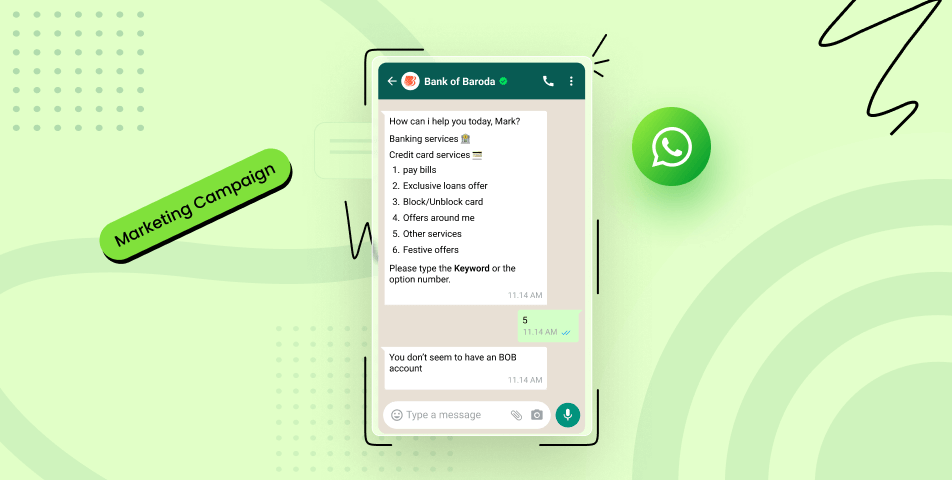
Marketing WhatsApp Advertising Messages: A Comprehensive Guide to Engaging Your Audience
 BellyJoe
Marketing WhatsApp advertising messages gives businesses a competitive edge in today’s fast-changing digital landscape. By offering instant, personalized communication, WhatsApp enables stronger engagement. This article walks you through strategies, best practices, and tools for long-term success.
Introduction
Marketing WhatsApp advertising messages are transforming how businesses connect with customers. With billions of active users, WhatsApp is no longer just for chatting - it’s a critical tool for advertising and customer engagement. Let’s explore how to use it effectively.
The Evolution of Digital Advertising and Messaging
Digital advertising has moved away from broad, one-size-fits-all campaigns and toward more personal, targeted conversations. Instead of interrupting people with generic ads, businesses can now connect through messaging apps where real two-way communication happens. That’s why WhatsApp has become such a powerful channel for brands looking to build genuine engagement with their customers.
Why WhatsApp for Advertising?
WhatsApp has over 2.7 billion monthly users worldwide. Unlike email or SMS, it gets higher open rates, shows messages instantly, and feels more personal. Businesses can use WhatsApp ads to share offers, build trust, and send quick updates - all in the app people already use every day.
Understanding WhatsApp's Advertising Ecosystem
Success with WhatsApp advertising begins with knowing which tools to use, staying compliant with policies, and choosing the right message types for your audience.
WhatsApp Business App vs. WhatsApp Business API for Advertising
The WhatsApp Business App is free and ideal for small businesses. It offers profiles, catalogs, quick replies, and chat labels, but has limited automation and only works on a few devices.
For larger teams, the WhatsApp Business API is better. It supports CRM and e-commerce integrations, chatbots, multi-agent access, high-volume messaging, and advanced analytics. Since setup is complex, most companies use a Business Solution Provider.
In short: use the App for small, manual communication, and switch to the API when you’re ready to scale with automation and bigger campaigns.
WhatsApp’s Policies and Guidelines for Advertising
Meta closely reviews business activity, so compliance is key. Breaking rules - like spamming, ignoring opt-outs, or promoting restricted products - can lead to penalties or account bans.
To stay safe and build trust:
-
Always get consent before sending promotions.
-
Avoid spam or over-messaging.
-
Use pre-approved templates for outbound messages.
-
Don’t promote restricted content (e.g., gambling, tobacco, adult services).
-
Share useful, high-quality messages and offer easy opt-outs.
Types of WhatsApp Advertising Messages
WhatsApp supports three main types of messages:
-
Product Launch: Announce new products or collections.
-
Re-engagement Messages: Remind users about abandoned carts, events, or past interests.
-
Content-Based or Soft Promotion: Provide useful or educational content that indirectly promotes your brand.
-
Seasonal or Event Campaigns: Tie your offers to holidays, festivals, or special occasions. Limited-time deals or themed messages create urgency and make campaigns feel timely and relevant.
Crafting Effective WhatsApp Advertising Messages
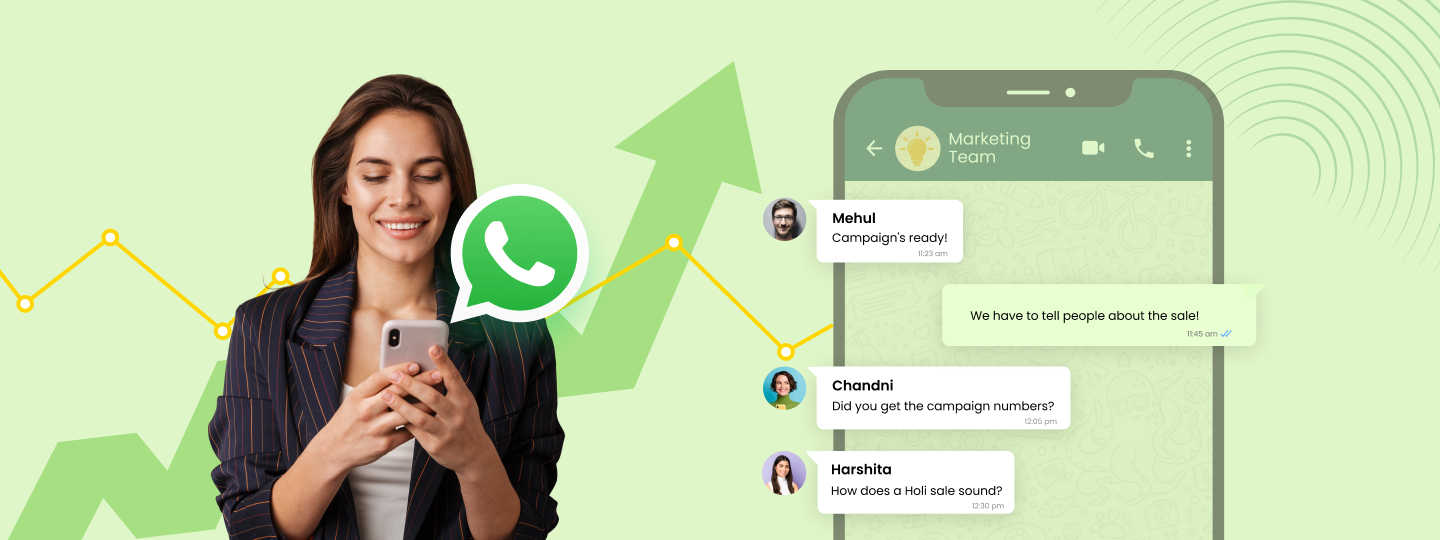
To create impactful WhatsApp campaigns, businesses need to focus on conversational tone, clear structure, personalization, and continuous testing to see what resonates best.
Principles of Conversational Marketing
Messages should feel personal, not robotic. Use names, friendly greetings, and a polite tone. For example: “Hi Sarah, your order is on its way! Reply ‘TRACK’ to get the link.” Ask simple questions like “Need help picking a size?” to keep conversations natural and engaging.
Key Components of a High-Converting Message
Keep messages short and clear, such as “Enjoy 20% off this weekend only. Use code: SAVE20.” Always include a clear CTA like “Shop now” or “Reply YES.” Use rich media like photos or short videos to boost engagement, but avoid heavy files.
Personalization and Segmentation
Personalized content works best. Use data like names, purchase history, or location to tailor messages, e.g., “Hi John, the shoes you viewed are back in stock - here’s a 10% code just for you.” Segment audiences (frequent buyers, new customers, inactive users) so campaigns stay relevant.
A/B Testing Your Messages
Keep testing to improve results. Experiment with message length, CTAs, media, or emojis to see what performs best. Even small tweaks, like changing a button label, can make a big difference. Track metrics such as open rates, replies, clicks, conversions, and ROI with tools like Botcake.
Implementing WhatsApp Advertising Campaigns
To run WhatsApp ads well, you need to build an opt-in list, connect it with your tools, use ads to spark conversations, and rely on automation to keep engagement strong.
Building Your Opt-In List
Before sending messages, always get the customer's permission. Collect opt-ins through website forms, in-store sign-ups, QR codes, or social media. You can also invite people from your email or SMS lists.
Be clear about what subscribers will get - such as updates, promotions, or alerts - and how often. Always include an easy opt-out like “Reply STOP” to build trust and keep your list healthy.
Integrating WhatsApp with Your Marketing Stack
Linking WhatsApp with your CRM keeps all customer data in one place and enables automatic messages like abandoned cart reminders. It also makes segmentation easier, so you can send more targeted campaigns.
For platforms like Shopify or WooCommerce, integrations can handle order confirmations, shipping updates, cart recovery, and even post-purchase cross-sell messages. These automated flows not only boost engagement and conversions but also help nurture and capture potential leads more effectively. This ensures WhatsApp fits smoothly into your sales funnel, keeping communication active at every stage of the customer journey. You can try the seamless WhatsApp integration offered by Botcake to see the difference.
Running Click-to-WhatsApp Ads
Click-to-WhatsApp ads on Facebook and Instagram move users straight from social media into chat. Customers land in WhatsApp with a pre-filled greeting, making it easy to start conversations.
Use strong visuals, clear headlines, and curiosity-driven text. Target the right people with lookalike or retargeting audiences, highlight the benefit of messaging - like discounts or free quotes - and test multiple versions to improve results.
Automating Your WhatsApp Campaigns
Automation helps businesses reply quickly without having staff online all the time. Welcome messages greet new subscribers right away, and auto-replies or drip campaigns keep the conversation going. You can also set follow-up messages for leads who don’t respond.
Chatbots make things even easier. They can answer common questions, check if someone is a good lead, collect customer details, and send harder cases to a human agent. When done well, automation helps you talk to more people while still keeping it personal.
Measuring and Optimizing Your WhatsApp Advertising Performance
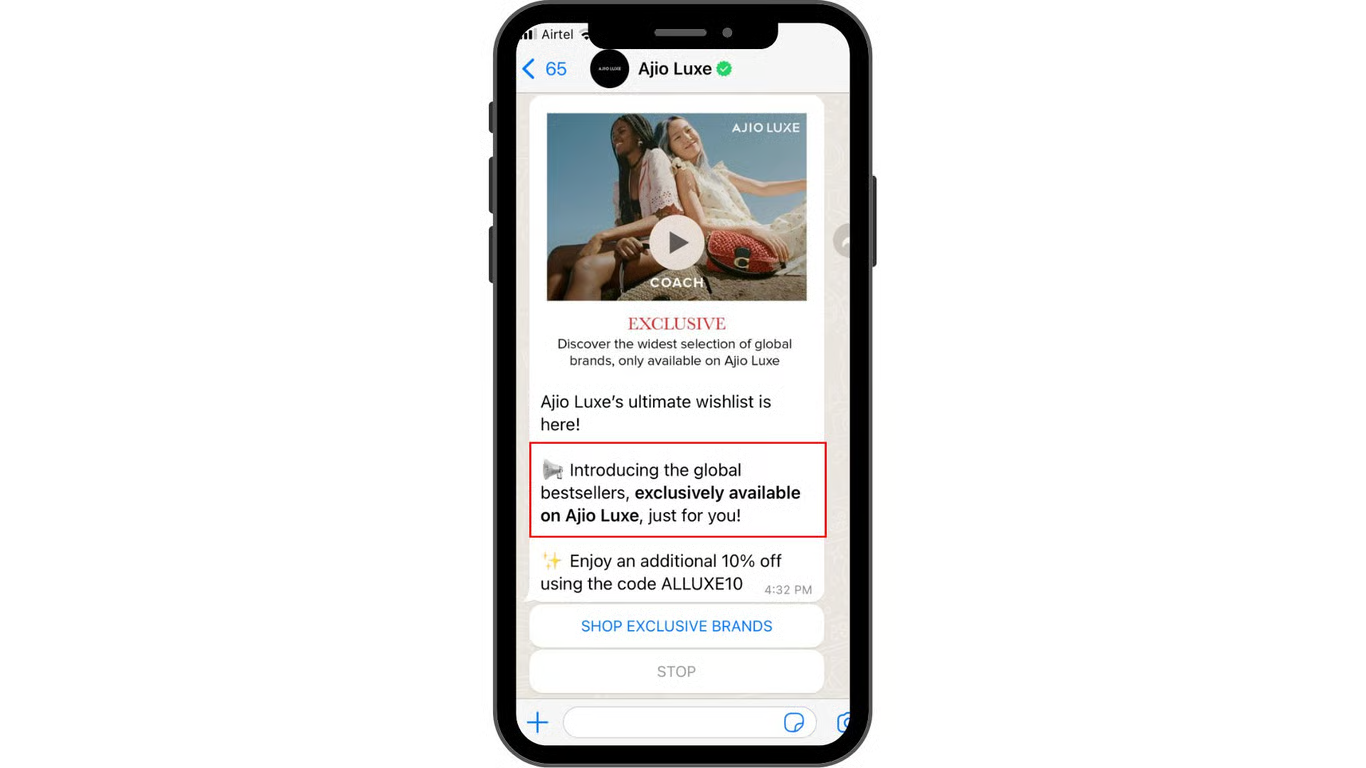
To maximize success, businesses must track the right KPIs, leverage analytics tools, and continuously refine their strategies for stronger performance over time.
Key Performance Indicators (KPIs) for WhatsApp Marketing
To truly know if your campaigns are working, you need to look beyond delivery and measure engagement. These KPIs reflect both reach and impact.
-
Delivery, open, and reply rates: The delivery rate shows the percentage of messages that reached recipients; low rates may indicate invalid numbers or errors. Open/read rate reveals how many were actually opened, showing if timing or previews are compelling. Reply rate indicates how relevant and engaging your message feels.
-
CTR, conversion, and ROI: CTR shows how many clicks on links or buttons, while conversion rate tracks completed actions like purchases or signups. ROI compares campaign profit to costs, highlighting overall effectiveness.
Utilizing WhatsApp Business Statistics and Analytics Tools
WhatsApp offers built-in analytics, but combining them with external platforms gives deeper insights and more precise tracking.
-
Built-in analytics: These let you monitor sent, delivered, read, and received messages, plus organize stats by conversation type in WhatsApp Manager. Over time, you can spot patterns like peak activity or drops in engagement, guiding your next steps.
-
Third-party platforms: Adding UTM tags lets Google Analytics measure WhatsApp-driven traffic. Linking WhatsApp to CRM dashboards shows how conversations affect sales, churn, and retention. Advanced tools offer segmentation, heatmaps, and trend analysis, while custom dashboards merge WhatsApp with other channels for a full performance view.
-
Actionable data with Botcake: Botcake.io not only tracks engagement metrics but also helps identify your top-performing campaigns, ads, and agents driving the most sales. By turning analytics into clear, actionable insights, you can refine your strategy, improve team performance, and make smarter marketing decisions.
Iteration and Improvement
Optimization is ongoing; you should regularly refine campaigns for better outcomes.
-
Analyzing results: Compare templates or campaign types with KPIs, track response patterns, and cut or fix weak messages while repeating what works.
-
Refining strategies: Use A/B test insights to adjust tone, CTAs, media, and timing. If opt-outs rise, review opt-in processes or message frequency. Narrow audience groups for relevance, watch ROI to scale top campaigns, and try new WhatsApp features to stay ahead.
Advanced Strategies and Future Trends
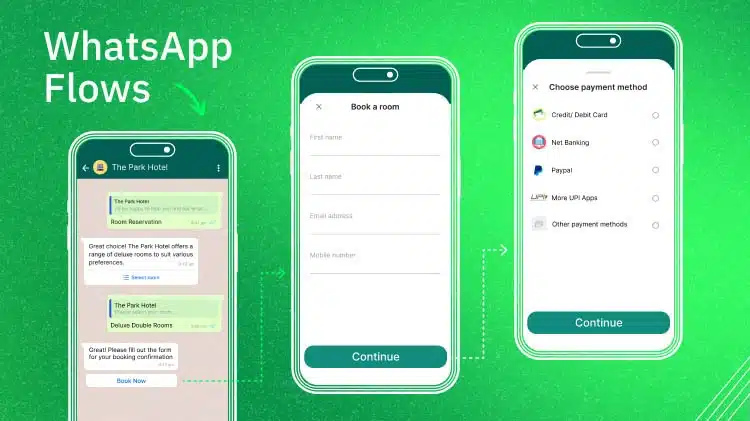
WhatsApp keeps rolling out new features like Flows and interactive messages, giving businesses more ways to connect. Customers can browse products, book appointments, or fill out surveys right in the app, making the experience smoother while helping brands provide value.
Note: Flows and interactive messages are advanced features available only on the WhatsApp Business API. They are not supported on the standard WhatsApp Business App.
Beyond advertising, WhatsApp is a powerful tool for support and retention. Quick, friendly replies can turn leads into loyal customers, while thoughtful follow-ups like order updates, surveys, or offers strengthen relationships. At the same time, brands must stay transparent and responsible - clearly explaining data use and following rules like GDPR to protect trust and keep campaigns safe.
Conclusion
Using WhatsApp for advertising allows businesses to connect with customers in real time, personally, and in a way that can grow with the number of customers. It fosters deeper connections with clients and allows for everything from promo ads to transactional alerts.
Solutions such as Botcake.io allow businesses to automate their campaign workflows, align campaign automation with real-time personalization, and focus on overall campaign optimization. This makes sure the clients' most valuable and result-driven promoted messages are addressed personally and in real time.
Related blogs

How AI Changes Customer Experience: A Complete Guide
WhatsApp Flows: Revolutionizing Conversational Experiences on the World's Favorite Messaging App

The Future of Event Engagement: Your Guide to Event Chatbots

Discover how your business can connect with customers 24/7 with Botcake
- Automate your customer messaging flow
- React thousands with bulk marketing message campaigns
- Blend AI power seamlessly with your customer service