
WhatsApp Sales: Converting Conversations into Revenue
 BellyJoe
WhatsApp Sales: Converting Conversations into Revenue
WhatsApp sales are quickly becoming the top way for businesses to reach customers. It allows instant communication and stronger engagement, so companies can turn chats into real sales. This platform makes the whole sales process easier and more effective.
Introduction to WhatsApp for Sales
The background of WhatsApp sales is very interesting. You can read a brief one below:
The Evolution of Sales Channels
Sales have moved from face-to-face meetings and phone calls to online strategies. In the past, email and websites were the main tools, but today, customers prefer real-time conversations. WhatsApp helps businesses connect with people where they already are: in instant messaging.
Why WhatsApp is a Sales Powerhouse?
WhatsApp lets businesses handle every step of the sales process, from finding new customers to keeping old ones. Messages on WhatsApp are opened more than 90% of the time, which is much higher than email. Customers also like using WhatsApp, so it’s easier to build trust, reply quickly, and send messages that feel personal.
Setting Up for Success: WhatsApp Business & API
Success starts with choosing the right setup, refining your profile, and integrating sales tools.
WhatsApp Business App vs. WhatsApp Business API
Small businesses usually begin with the WhatsApp Business App. It is a free mobile app that helps you make a business profile, set quick replies, send automated messages, use labels, and show a product catalog. The app is simple to use, and it works well for managing one-to-one chats with customers.
As you grow, your needs may exceed what the app can handle, especially if multiple agents or automation are required. That’s when the WhatsApp Business API (also known as the Business Platform) comes into play. It supports integration with CRMs, chatbots, and shared inboxes, and lets teams manage many conversations at once. The API requires approval or working with a Business Solution Provider like Botcake, and is built to scale customer interactions efficiently.
Essential WhatsApp Business Profile Optimization
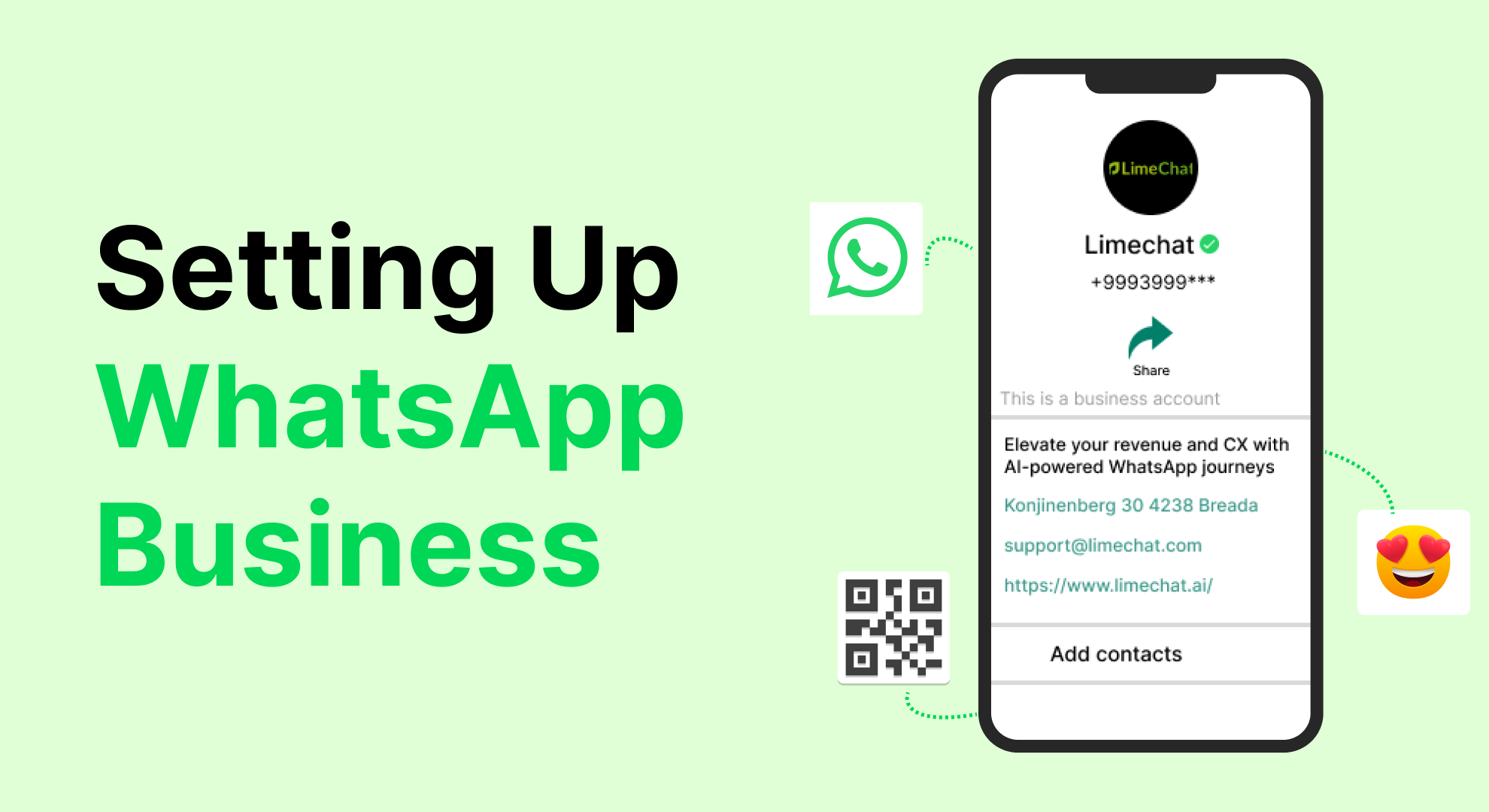
Regardless of app or API, a polished profile builds credibility. Include your brand name, logo, contact info, website, business hours, and a short, clear business description. Use clear welcome messages to greet customers and away messages to explain when you are not available. This makes customers feel comfortable reaching out and creates a professional first impression.
Integrating with CRM and Sales Tools (for API Users)
The real strength of the API is that it can connect with the tools you already use. When you connect WhatsApp with your CRM or sales tools, you can manage leads in one place. This makes it easy to send personal messages, answer questions automatically, and assign chats to the right team.
You can also set up quick replies for things like order tracking or appointment reminders, while customer records update right away. Botcake is a perfect tool for you to integrate as an ultimate ERP.
Lead Generation Strategies on WhatsApp
For a detailed look at building effective lead generation via WhatsApp, see Botcake’s lead generation solutions here.
Driving Traffic to Your WhatsApp Channel
-
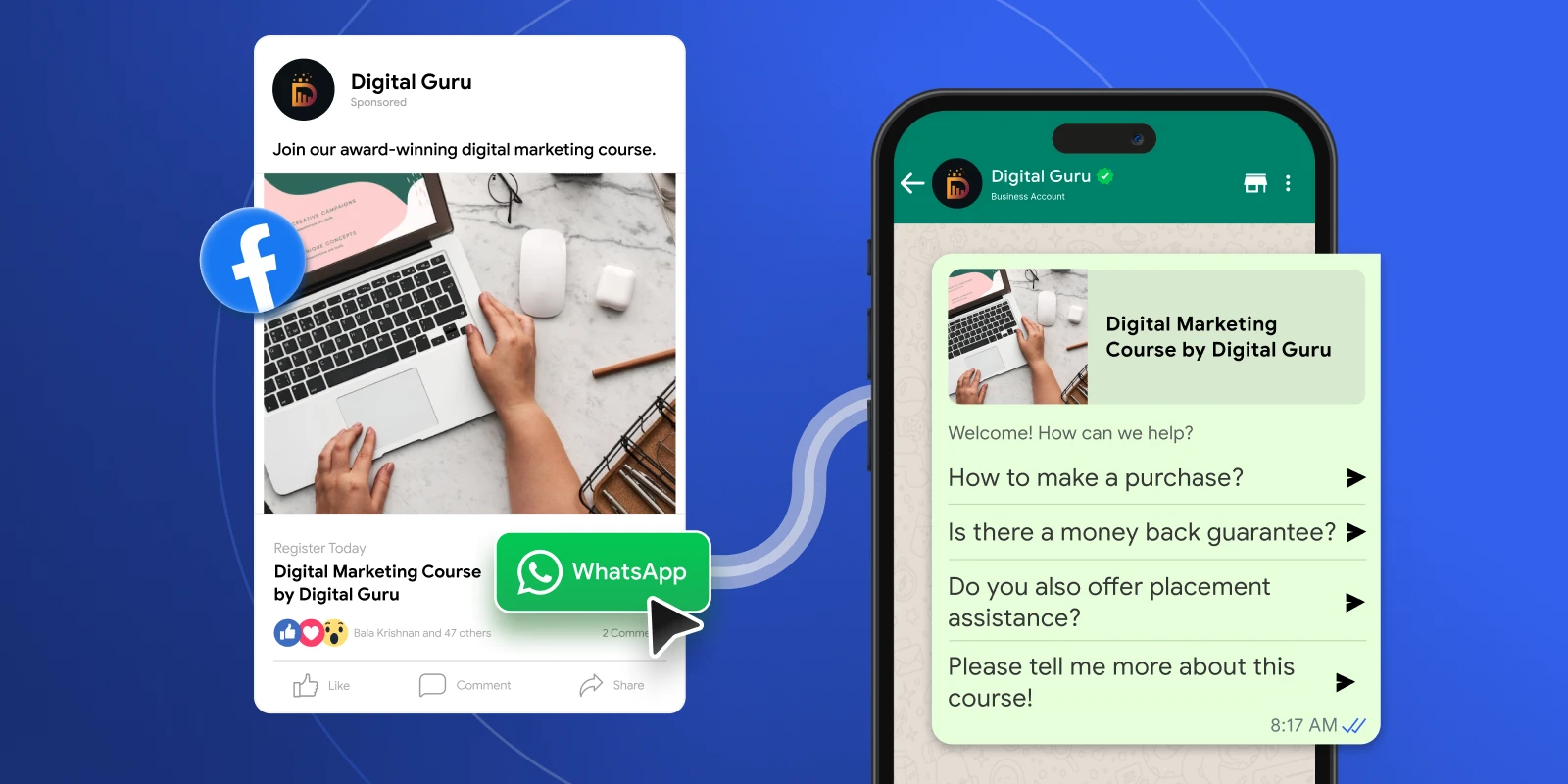
Click-to-Chat ads on Facebook or Instagram invite users into a conversation via WhatsApp with a single tap. These drive direct, opt-in engagement and often outperform traditional digital ad click-throughs.
-
Website widgets or embedded chat buttons let visitors easily message you with no app switch needed.
-
QR codes printed on packaging, posters, or business cards bridge physical touchpoints to digital conversations.
-
Social media CTAs with links or QR codes encourage followers to jump into WhatsApp discussions and turn attention into leads.
Leveraging Existing Customer Databases
If you already have opt-in contacts from forms or past conversations, you can import them into WhatsApp (API) to connect with them directly. After that, group your contacts by age, interests, or buying history, so you can send messages that fit better and increase engagement and sales.
Content Marketing for Lead Capture
Create offers that require sign-up - like eBooks, special discounts, or contests - and deliver access via WhatsApp. You can create small lead-generation flows in the app, like asking customers to share their email to get a promo code, and then keep in touch with them through follow-up messages, event invites, or helpful content. This strategy converts interest into conversation and then into revenue.
Nurturing Leads and Building Relationships
Success in nurturing leads on WhatsApp relies on personalization, engaging content, and smart automation.

Personalized Messaging and Segmentation
Use labels or your CRM to categorize leads (e.g., “interested in Product A,” “follow-up needed,” “VIP”). Send tailored messages that speak to their needs or stage in the funnel. Simple personalization - their name, a reference to their query - makes a big difference in connection and response.
Engaging Content Formats
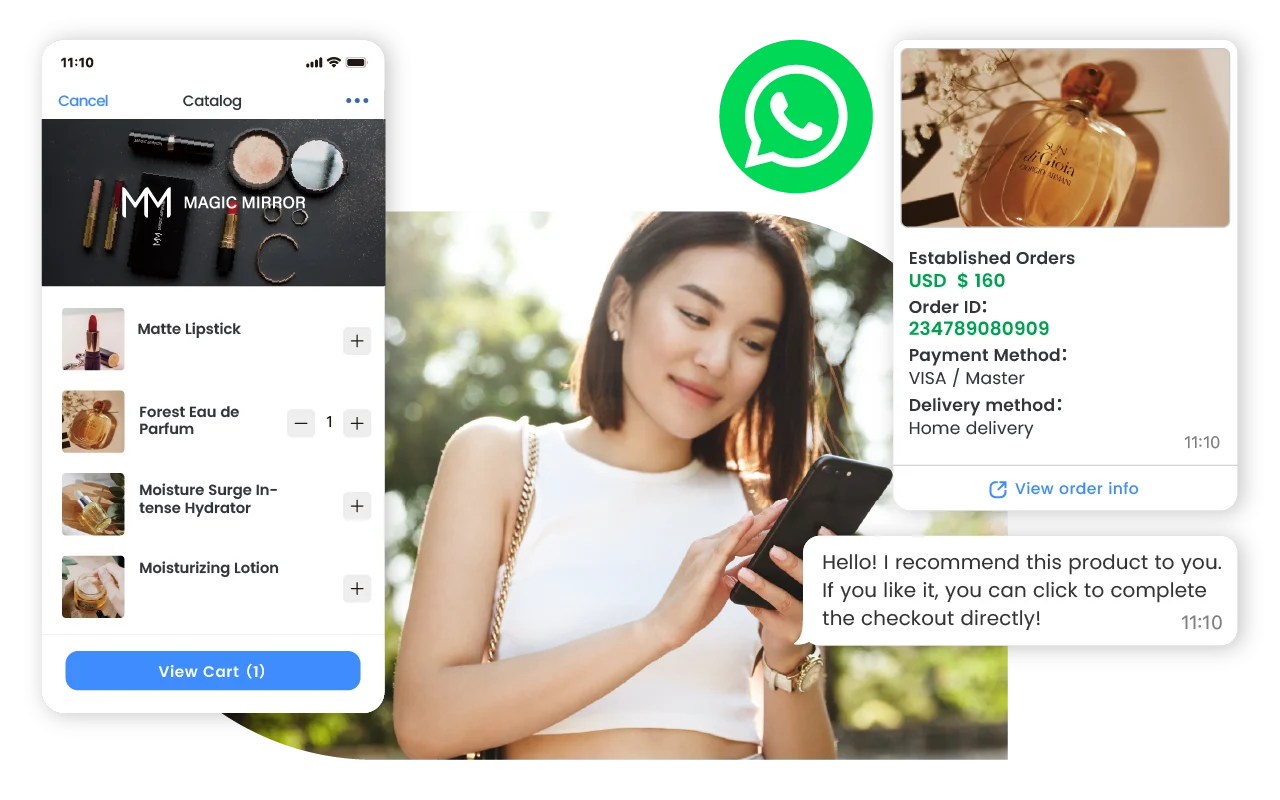
WhatsApp supports rich media like images, short videos, voice notes, product catalogs, carousels, and interactive buttons. These dynamic formats create more engaging conversations than plain text alone. A product catalog can let customers browse within the chat, while videos or visuals build trust and interest.
Automated Follow-Ups and Reminders
Automation helps you stay consistent:
-
Welcome flows greet new contacts automatically.
-
Abandoned cart reminders re-engage customers who showed interest but didn’t purchase.
-
Appointment or event reminders keep engagement high.
Closing Sales and Driving Conversions
Of course, closing sales is very important for business, and utilizing an all-in-one tool like Botcake is a genius idea.
Direct Product/Service Presentation
Use WhatsApp to showcase products or services clearly and promptly. Share product catalogs right in the chat so customers can browse visually without leaving the conversation. Be ready to answer frequently asked questions instantly. This fast, personalized interaction helps break down buying barriers - especially when compared to email or web forms.
Facilitating the Purchase Journey
Guide customers from interest to purchase by sending quick checkout links or invoices directly via WhatsApp. The smooth transition, where customers don’t need to switch apps, will boost conversions. Conversations become commerce. Retailers using WhatsApp report average conversion rates between 5% and 15%, far higher than traditional ecommerce channels (which average 1-4%).
Upselling and Cross-selling
Once a sale is confirmed, use WhatsApp to suggest complementary products or relevant upgrades. For example, after a purchase, send a message like, “Thanks for your order! Customers who bought this often add [Accessory]. Want to check it out?” Personalized recommendations within the same conversation improve revenue without becoming intrusive.
Post-Sales Support and Customer Retention
After purchase, WhatsApp helps with support, feedback, and loyalty.
Providing Excellent Customer Service
Use WhatsApp for prompt, helpful service. Send order confirmations, shipping updates, and delivery notifications directly in chat - 98% open rate means high visibility. Quick, well-informed responses build trust and reduce follow-ups and complaints.
Gathering Feedback and Reviews
After a purchase or interaction, send a simple survey or request feedback. You might say: “How was your experience? A 30-second rating helps us improve.” This not only shows you care but also generates testimonials you can use later in marketing.
Building Customer Loyalty
Create exclusive experiences via WhatsApp. You can add loyal customers to VIP groups for early access to products, special discounts, or product launches. This builds community and keeps them engaged, making your brand more than just a transaction.
Measuring Success and Optimizing Performance
Success on WhatsApp comes from tracking metrics, using analytics, and refining through testing.
Key Performance Indicators (KPIs) for WhatsApp Sales
Track metrics that matter: open rates, response times, conversion rates, revenue generated, and customer satisfaction (CSAT). Businesses that consistently monitor WhatsApp KPIs can see up to 45% gains in customer satisfaction and 60% boosts in conversions.
Utilizing WhatsApp Analytics
-
WhatsApp Business App provides basic stats—messages sent, delivered, and read.
-
WhatsApp Business API offers deeper insights: first response time, unresolved chats, agent performance, and segment-specific performance.
-
Tools like TimelinesAI or CRMs can combine these metrics for detailed dashboards—tracking trends, agent efficiency, and campaign effectiveness.
A/B Testing and Iteration
Small changes - subject lines, CTAs, time of day - can shift results significantly. Compare two versions of messages (A vs B) and keep what works. Track which wording, media, or timing delivers higher response or conversion rates - then repeat and refine.
Best Practices and Common Pitfalls to Avoid
Strong results come from clear messaging, secure data handling, and realistic response times.
Maintaining a Professional Tone, Avoid Spam
Always keep messages clear, relevant, and respectful. Only message customers who opted in. Avoid bombarding them with promotions—quality over quantity. Respectful messaging preserves trust.
Data Privacy and Security Customer Data
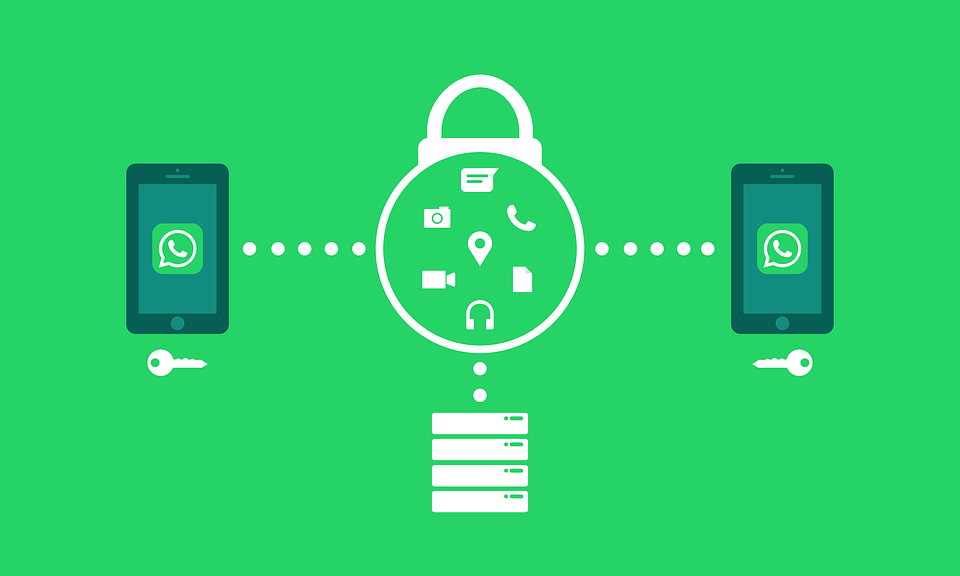
WhatsApp uses end-to-end encryption, safeguarding conversations. Still, businesses must also comply with data protection laws, ensure opt-ins are recorded, and store customer data securely.
Managing Expectations On Availability And Response Times
Set clear business hours and away messages. If you can't reply immediately, use an auto-reply that explains when you'll be available. This manages customer expectations and reduces frustration.
Conclusion
WhatsApp sales give businesses a powerful way to connect, engage, and convert customers in real time. From finding leads and guiding them with care to easy checkout and loyal support after purchase, every step can happen in one channel. In the future, tools like AI chatbots and better integrations will make WhatsApp an even stronger way to sell. Businesses that start using it now not only see better results today but also grow faster tomorrow. This is the right time to use WhatsApp sales with solutions like Botcake to turn chats into lasting revenue.
Artikel terkait

LINE Chatbot: Guide to Business Automation in Asia 2026

How AI Changes Customer Experience: A Complete Guide
WhatsApp Flows: Revolutionizing Conversational Experiences on the World's Favorite Messaging App

Temukan bagaimana bisnis Anda bisa terhubung dengan pelanggan 24/7 menggunakan Botcake
- Otomatisasi alur pesan pelanggan Anda
- Jangkau ribuan dengan kampanye pesan massal
- Gabungkan kekuatan AI dengan layanan pelanggan Anda secara mulus