

Understanding the WhatsApp Price Change: A Guide for 2025
 Rojo Rizelle
Guides To Understand The WhatsApp Price Change
Did you know Meta changed its prices for WhatsApp Business? Many businesses now have unexpected costs. Your old budget might not work anymore. You could be paying too much because you don't know the new rules. We will explain the WhatsApp price change in simple terms. You'll learn what it means for you and how to save money.
Introduction
WhatsApp is a very popular chat app. Billions of people use it every day to talk to friends and family. As more companies began using it, the way WhatsApp charges for its business services has also changed. Understanding these changes is very important for your business. It's not just about numbers; it's about making wise choices for your company. This guide will make the new WhatsApp price change easy to understand. It will help you use the new pricing model to grow your business.
Decoding the WhatsApp Price Change
Meta, the company that owns WhatsApp, changed how it charges for the WhatsApp Business API. The new model is based on the type of chat you have with a customer. This differs from the old way, where you might have paid per message.
Official Announcements and Communication
WhatsApp changed its business pricing model on July 1, 2025, transitioning from a conversation-based model to a per-message pricing model for all template messages. Businesses will now be charged for each Marketing, Utility, or Authentication template message they send, although utility templates and free-form messages remain free within a 24-hour customer service window initiated by a user. Key aspects of the change include individual billing for template messages, free utility messages within a customer-initiated window, and variable rates by message category, country, and volume tiers.
Key Components of the Price Change
The new model is built around 24-hour "conversations." A single conversation charge covers all messages exchanged within that 24-hour window, which begins when the first message from the business is delivered. The price of the conversation depends on its category, which is determined by the type of message template used to start it.
Four Conversation Categories:
-
Marketing: These are business-initiated conversations to promote a product or service, send special offers, or invite customers to take action. Any business-initiated chat that isn't for utility or authentication falls into this category.
-
Utility: These are also business-initiated and relate to a specific transaction the customer has agreed to. This includes order confirmations, shipping updates, and billing statements.
-
Authentication: These business-initiated conversations are used to send one-time passcodes for account verification, recovery, or other security checks.
-
Service: This category includes any conversation initiated by a customer. When a customer messages your business for help, the resulting 24-hour chat is a service conversation.
Free Tier and Free Entry Points:
-
Every business receives its first 1,000 service conversations (customer-initiated) for free each month.
-
When a customer messages you by clicking on a WhatsApp ad or a call-to-action button on a Facebook page, the conversation is free for 72 hours, not just 24.
The Logic Behind the Price Adjustment

The price change wasn't random; it was designed to align the cost of a conversation with its value. Meta's model encourages businesses to focus on high-quality interactions that customers find useful.
-
Value-Based Pricing: Marketing conversations, which directly aim to generate revenue, are priced the highest. Utility and authentication chats, which are part of an expected customer service experience, are priced lower. Service conversations, which are essential for customer support and building loyalty, are also priced affordably and include a generous free tier.
-
Discouraging Spam: By making mass marketing more expensive, the model incentivizes businesses to send targeted, relevant promotions that customers actually want, rather than spamming their entire contact list.
-
Fairer Global Pricing: The model also allows for country-specific pricing, creating a fairer system for businesses operating in different economies around the world..
Impact of the WhatsApp Price Change on Businesses
The new pricing changes how you should budget for and use WhatsApp. It's essential to understand how it might affect your company.
Financial Implications
If you send many marketing messages, your costs will likely increase. You will need to change your budget to plan for this. You now have to think about the type of chats you're having, not just how many.
For example, sending 1,000 marketing messages will cost more than sending 1,000 order updates. Using a specialized tool like the Botcake WhatsApp Pricing Calculator is an excellent idea to get a clear picture of your new costs. This will help you avoid any surprises on your bill.
Operational Adjustments
Your team will need to learn the new rules to be more efficient. For example, they should reply to all customer messages within 24 hours. If they wait longer, a new, paid conversation will start. You should also look at your pre-approved message templates. Ensure they are written in a way that fits into the cheapest possible category. A slight change in wording can save you money.
Customer Communication Strategy
The new pricing encourages a new way of thinking. It's better to have high-quality chats that customers find helpful. The best trick is to get customers to message you first. These chats are cheaper. So, make your WhatsApp number easy to find. Put a "Chat with us on WhatsApp" button on your website, emails, and social media pages.
Specific Business Segments Affected
The WhatsApp price change affects businesses differently. Small companies that primarily use WhatsApp for customer support might actually pay less. This is because Meta gives every business 1,000 free customer-started chats every month. However, big companies that send many marketing messages must be more innovative and strategic to control costs.
Strategies for Businesses to Adapt
Don't just accept higher costs. Innovative businesses are changing their plans to do well with the new prices. You can be one of them.
Cost Optimization Tactics
There are a few ways to keep your WhatsApp costs down.
-
Use the free entry points. When a customer messages you from a Facebook or Instagram ad, the chat is free for 3 days. This is a great way to get new leads without paying for the conversation.
-
Focus on quality, not quantity. Instead of sending a message to everyone, send good messages that people will want to read. A smaller, more targeted campaign is often cheaper and more effective.
-
Use automation for simple questions. A chatbot can answer common questions 24/7. This frees up your team to handle the more complex chats that can lead to a sale.
Enhancing ROI on WhatsApp Business
Make sure your money is well spent. You need to track your Return on Investment (ROI). This means figuring out if the money you spend on WhatsApp is helping you make more money in sales. Track how many chats turn into sales. Connect WhatsApp to your other tools to see the whole customer journey. Knowing how much money each chat makes, you can budget better.
Exploring WhatsApp Business API Features
The API has advanced features to help you be more efficient. Use interactive messages with buttons and lists. This makes it easier for customers to reply quickly. Use automation to answer common questions day or night. The more you use the API's power, the more value you'll get from every conversation you pay for.
Alternatives and Complementary Messaging Platforms
WhatsApp is great, but it doesn't have to be your only tool. It's smart to talk to your customers in a few different ways.
Other Messaging Apps
Depending on where your customers live, other apps might be good too. In some parts of the world, many people use Telegram. In Asia, an app called Line is very popular. And don't forget about Facebook Messenger. It's a good idea to know which apps your customers use most.
Hybrid Communication Strategies
The best plan is often to use a mix of tools. You can use WhatsApp for important, personal chats that require fast replies. You can use email for longer newsletters with lots of information. You can also use SMS for very simple alerts. This way, you can talk to customers on the channel they like best for each message type.
Best Practices for Sustainable WhatsApp Business Usage
To do well with WhatsApp for a long time, you need a good, sustainable plan. This means thinking about your WhatsApp strategy for the long term, not just for one campaign. Building this plan involves a few key practices.
Continuous Monitoring and Analytics
Don't just set up your messages and forget about them. Always check your results. Which messages get the most replies? What's the best time of day to send a message? Use this information to get better and better over time.
Staying Updated with WhatsApp Policies
WhatsApp's rules and prices can change. It's essential to stay up to date. Make sure you or your business partner, like Botcake, knows the latest rules. This will keep you out of trouble and ensure your messages always get delivered.
Providing Value to Customers
This is the most important rule of all. Every message you send should be helpful to the customer. The WhatsApp price change actually helps with this. A helpful order update is cheaper than a random sales message. Focusing on being useful saves money and makes your customers happier and more loyal. See more ideas for helpful messages here.
Conclusion
The WhatsApp price change is a significant shift. It's about having better, more meaningful chats instead of sending many messages. If you understand the new prices, get customers to message you first, and use automation smartly, you can control your costs and build a better chat strategy. The future of messaging is about quality, and the new prices reward businesses that do it right. To see how these changes might affect your budget, use a tool like the Botcake to get a precise estimate.
Related blogs

How AI Changes Customer Experience: A Complete Guide
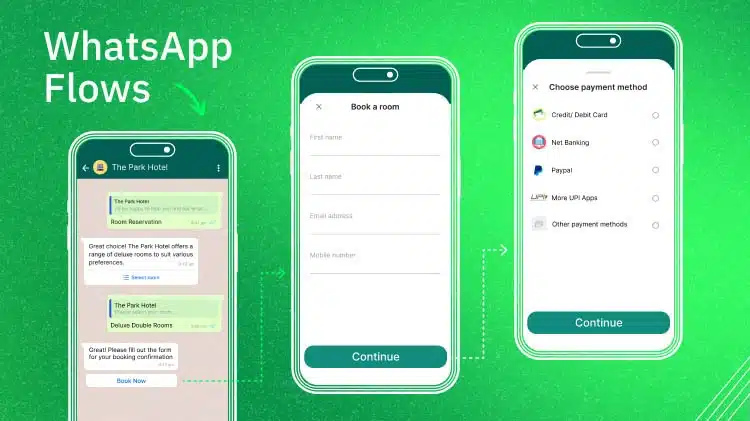
WhatsApp Flows: Revolutionizing Conversational Experiences on the World's Favorite Messaging App

The Future of Event Engagement: Your Guide to Event Chatbots

Discover how your business can connect with customers 24/7 with Botcake
- Automate your customer messaging flow
- React thousands with bulk marketing message campaigns
- Blend AI power seamlessly with your customer service