

The Power of Sales Marketing Automation: Driving Growth and Efficiency
 BellyJoe
Sales marketing automation supports businesses by bridging the gap between manual work and scalable growth. As customer expectations continue to rise, understanding the benefits of automation can guide teams toward smarter processes and stronger long-term performance.
Introduction
Sales marketing automation is among the most mentioned trends recently. It builds pipelines and engages customers for businesses with the seamless combination of sales and marketing.
The Convergence of Sales and Marketing
Sales automation uses software and technology to simplify and manage the sales process. It handles tasks such as assigning leads, following up with prospects, generating proposals, and tracking progress. This really helps sales teams to focus on high-value activities that drive revenue.
Marketing automation, on the other hand, focuses on tools and platforms that run campaigns, nurture leads, segment audiences, manage email workflows, and provide detailed analytics.
In many organizations, marketing generates leads while sales focuses on converting them, but these teams often operate in silos. Without alignment, leads can slip through the cracks, messaging can feel inconsistent, and opportunities are missed. Sales marketing automation bridges this gap by allowing both teams to share data, workflows, and goals; so marketing-qualified leads flow seamlessly to sales, and feedback from sales helps marketing refine and improve future campaigns.
Why Automation is No Longer Optional
Without automation, businesses can easily get bogged down in repetitive tasks - entering data, updating spreadsheets, and tracking email replies - so important follow-ups often slip through the cracks. Meanwhile, sales reps end up juggling admin work, leads grow cold, and marketers find it hard to personalise messages at scale.
You can easily streamline these processes, respond faster, and reduce human errors with automation. And as your business grows, automation lets you expand outreach, nurture leads, and handle more sales interactions without needing to hire a proportional number of new staff.
Understanding Sales Marketing Automation

Let’s explore how sales marketing automation functions and the value it delivers.
Core Concepts and Definitions
Marketing automation focuses on acquiring leads, nurturing them via content and workflows, segmenting audiences, and tracking marketing campaign performance. Sales automation focuses on converting those leads - CRM activities, outreach, scheduling, proposals, and closing deals.
When combined, you create a unified system where data flows between marketing and sales. A lead generated via marketing triggers a nurture sequence, gets scored, and is handed over to sales with context, and the sales team continues the workflow seamlessly - tracking interactions, automating follow-ups, logging results, and feeding backlog back into marketing.
Key Benefits for Businesses
Automation helps ensure that leads get timely, personalized messages based on their behavior, stage, and persona, guiding them naturally from awareness to interest and finally to a decision.
A unified automation system can recognise a customer’s history and deliver relevant content or offers at the right moment, heightening trust and satisfaction. Automated tools capture detailed metrics like open rates, response times, and conversion by stage, allowing businesses to refine strategies and base decisions on real data.
Key Components and Tools of Sales Marketing Automation

Businesses use automation tools to unify marketing and sales processes seamlessly.
Marketing Automation Platforms (MAPs)
A MAP allows you to send scheduled or behaviour-triggered email sequences, segment audiences based on criteria (behaviour, demographics, persona), and dynamically personalize content.
By assigning scores to leads (e.g., email opens, site visits, downloads) and grades (ideal fit vs. fringe), marketing can prioritise higher-quality leads and pass them to sales at the optimal time.
MAPs often include drag-and-drop tools to build landing pages, forms, and calls-to-action that feed data directly into the platform for segmentation and workflow triggers. Based on known visitor data, marketing automation tools can personalise website content in real-time - e.g., showing different offers or messages to returning prospects vs new visitors.
For advanced tracking and analytics, you can integrate Meta Conversions API (CAPI), which works across Meta platforms such as Facebook - Messenger, Instagram, and WhatsApp. When you connect CAPI through a third-party solution like Pancake, you can:
-
Deliver video ads to more precise audiences.
-
Optimize your ad performance in real time.
-
Track conversions accurately, even when browser-based tracking is limited.
Sales Automation Tools
A CRM system holds all customer interactions, lead histories, and sales pipeline information. Integrating automation ensures marketing data flows into CRM, and sales can act on it with context.
With Botcake, sales reps can automate routine tasks like sending email templates, scheduling sequences, setting reminders, and triggering follow-ups—so they can engage prospects quickly without writing each message manually. Botcake can also scan data, social networks, and internal systems to find new leads and handle the first steps of outreach automatically.
Automated dialing, call logging, and post-call workflows reduce manual administrative load and ensure calls are followed up with consistent next steps. Once a deal is near closure, automation can generate proposals or contracts with customer data, send for e-signature, and update CRM status without manual effort.
Integrated Solutions and Ecosystems
An ideal automation ecosystem has the marketing automation platform capture leads and nurture until ready, the CRM receives those leads and engages, and sales automation tools trigger calls/emails/proposals. Data synchronises across systems, so both marketing and sales have real-time visibility and shared metrics.
Many businesses adopt integrated suites or connect best-of-breed tools via APIs. For example, a full-funnel solution using Pancake, Botcake, and a POS/CRM system allows businesses to automate the entire customer journey: capturing and nurturing leads with Pancake, handling responses and follow-ups with Botcake, and closing sales and processing payments directly through the CRM or POS. This seamless integration ensures faster replies, smooth order management, and consistent tracking of performance across marketing and sales.
Implementing a Sales Marketing Automation Strategy
Start your automation strategy by setting goals, mapping journeys, segmenting audiences, and building workflows.
Defining Your Goals and KPIs
You can start by defining what you want to achieve through automation - perhaps a 20% increase in lead-to-customer conversion, a 30 % reduction in average sales cycle time, or an improvement in customer retention. Select KPIs such as lead response time, open/click rates, pipeline velocity, win-rate, average deal size, and post-sale retention to assess automation performance.
Mapping the Customer Journey
Chart how a prospect moves from discovering your brand (awareness) to interest, evaluation, purchase, and beyond (onboarding, support, advocacy). For each stage, determine where automation adds value: capturing leads on landing pages, auto-nurture sequences in evaluation, prompt proposals in purchase, and follow-up sequences in post-sale.
Segmenting Your Audience
Think about who your customers are - maybe e-commerce sellers just starting with automation, service consultants, or WhatsApp support teams - and what challenges they face. Once you know that, set up workflows that fit each group: abandoned cart follow-ups for sellers, learning sequences for consultants, and engagement triggers for support teams.
Crafting Effective Content for Automation
Design sequences that deliver value, build trust, and prompt next-steps rather than only pushing sales. Use personalisation and relevant offers. Landing pages must address each segment’s concerns, speak their language, and present a clear offer. Automation tools can dynamically adjust copy or offers based on a known persona.
Offer whitepapers, templates (e.g., WhatsApp business templates), consultations, or demos that drive engagement and feed into lead scoring workflows.
Workflow Design and Implementation
Start by identifying a trigger, such as a download, cart abandonment, or WhatsApp opt-in, and then check the relevant conditions like lead score, segment, or behaviour. From there, take the appropriate action - send an email, a WhatsApp message, or schedule a call - and follow up with the next step, such as updating your CRM or handing the lead over to sales. Be sure to document each step, test your workflow, and monitor performance along the way.
Ensure triggers are meaningful (not too frequent), define clear conditions (e.g., if lead score > 50), and avoid “one-size-fits-all” workflows. Incorporate branching logic (if/unless) to create relevant paths for different behaviours.
Advanced Strategies and Optimization
Advanced strategies combine AI, testing, alignment, and best practices to optimize automation performance.
AI and Machine Learning in Automation
AI models can predict which leads have the highest probability to convert, and then automation prioritises them for sales follow-up. Machine learning algorithms can assess user behaviour and suggest relevant offerings - automated cross-sell or upsell sequences kick in at the right time.
Integrating chatbot automation (for example, via WhatsApp Business templates) ensures immediate responses to common queries, qualification of leads, and hand-off to human agents when needed.
A/B Testing and Continuous Improvement
Make it a habit to test different versions of your email subject lines, message copy, offers, and workflows so you can see what really resonates - and then automate the version that performs best. At the same time, use the reporting tools in your automation platform to track your key metrics, spot any bottlenecks, and tweak your workflows as needed.
Sales and Marketing Alignment through Automation
Ensure both sales and marketing teams have access to unified dashboards with shared metrics (lead quality, pipeline status, conversion rates) so both functions stay aligned and accountable.
Automation supports clearly defined handover rules - when a lead moves from marketing to sales, workflow triggers notifications, updates CRM fields, and ensures no lead is lost in transition.
Avoiding Common Pitfalls
Automation can help you scale quickly, but too much of it can make your messages feel robotic, so it’s important to keep personalization, timing, and a human touch in mind. On top of that, automation only works well when your data is clean because duplicate records, outdated contact info, or poor segmentation can quickly undermine your efforts. And even the best systems struggle if teams don’t actually use them, which is why it’s essential to provide training, monitor usage, gather feedback, and keep refining your workflows over time.
Real-World Use Cases and Success Stories
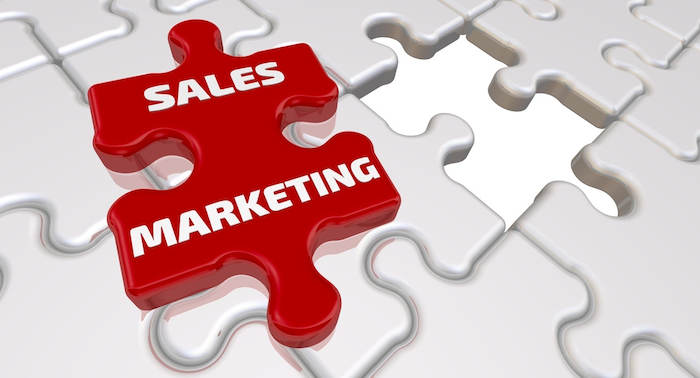
See how automation drives lead growth, faster deals, and stronger customer loyalty.
Lead Generation and Nurturing
For example, service businesses use WhatsApp business templates to collect opt-ins, then trigger automated nurture sequences that convert a cold lead into a warm demo request without manual outreach. Documentation from Meta confirms the importance of opt-in and template management for WhatsApp communication.
Sales Efficiency and Deal Acceleration
A small business uses automation to assign leads to reps once a lead score threshold is met, automatically send a personalized email, schedule a call, and generate a proposal - all within hours of lead capture.
Customer Retention and Upselling
Automated workflows can trigger re-engagement emails or WhatsApp messages to past customers with new offers, invite them to loyalty programmes, and monitor for churn - thus turning existing customers into repeat buyers.
Conclusion
The future of sales and marketing is all about automation, which both connects and simplifies every step of the customer journey while helping you scale. If you’re ready to supercharge your growth, start mapping your workflows and putting automation into action today - and discover how Botcake.io can help you manage every lead, message, and interaction effortlessly.
Related blogs
How to Set Up Meta Business AI on Messenger

Top E-commerce Use Cases of Meta Business AI

Meta Business AI vs Chatbot

Discover how your business can connect with customers 24/7 with Botcake
- Automate your customer messaging flow
- React thousands with bulk marketing message campaigns
- Blend AI power seamlessly with your customer service